The human evidence is minimal in all 4 peptides
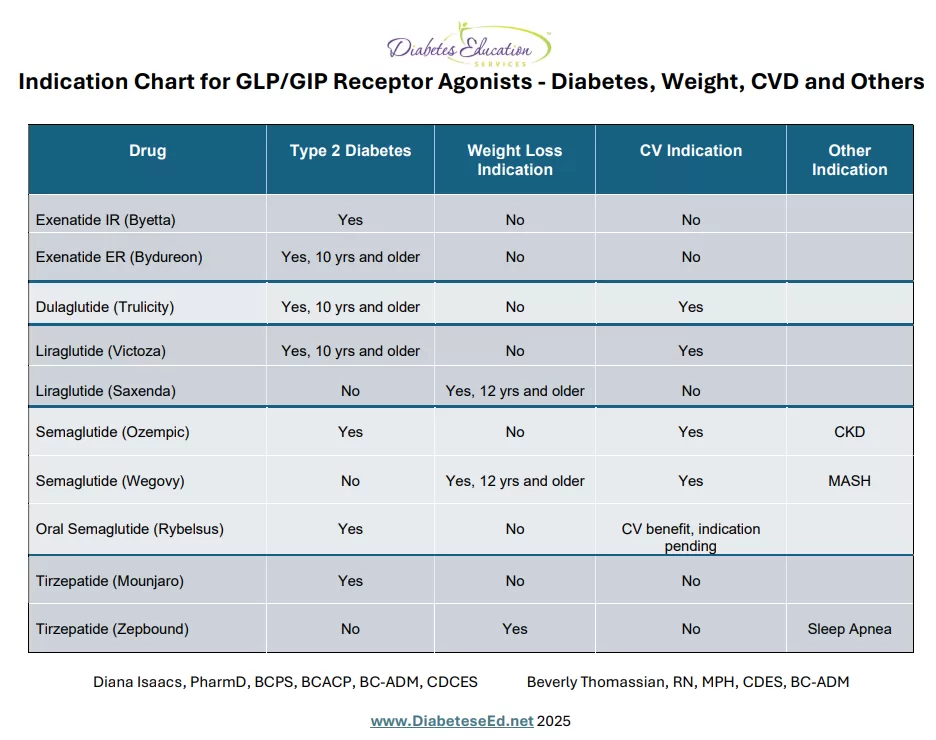
Published literature: Documented effects on sleep architecture and cortisol modulation in published studies Therapeutic Peptides Comparison Table Peptide Category FDA Status Primary Research Application BPC-157 Tissue Repair Category 1 (2026) Tendon, ligament, GI repair TB-500 Tissue Repair Category 1 (2026) Soft tissue, cell migration Retatrutide Metabolic Phase 3 trials Obesity, metabolic syndrome Tirzepatide Metabolic FDA-approved Type 2 diabetes, obesity Tesamorelin Metabolic / GH FDA-approved Lipodystrophy, visceral fat GHK-Cu Skin / Repair Not approved Wound healing, collagen CJC-1295 GH Secretagogue Category 1 (2026) Growth hormone release Ipamorelin GH Secretagogue Category 1 (2026) Selective GH release Selank Cognitive Category 1 (2026) Anxiety, GABA modulation Semax Cognitive Category 1 (2026) Memory, BDNF pathways KPV Anti-inflammatory Not approved Gut inflammation, skin PT-141 Neurological FDA-approved Sexual health (HSDD) SS-31 Mitochondrial FDA-approved Barth syndrome, mito dysfunction MOTS-c Mitochondrial Not approved Insulin sensitivity, exercise Humanin Cytoprotective Not approved Neuroprotection, aging DSIP Neurological Not approved Sleep regulation 2026 FDA Peptide Reclassification On February 27, 2026, HHS Secretary Robert F
M., Maltepe, E
In another study of astragalin potential in rats with cerebral ischemia-reperfusion injury, the treatment has found that astragalin is able to improve the brain injury through the mediation of anti-inflammatory, anti-oxidative ability and apoptosis signaling pathway (Chen et al., 2020)
PLoS One 10:e0130251 Afshar B, Ganjalikhani-Hakemi M, Esfahani ZK, Eskandari N, Shaygannajad V, Hosseininasab F, Alsahebfosoul F (2021) Evaluating the effects of epigallocatechin-3-gallate on HIF-1 protein and rorc gene expression in peripheral blood mononuclear cells in patients with multiple sclerosis














:max_bytes(150000):strip_icc()/benefits-of-glutathione-89457_final-01-502464fe91b2444285b0cccf8cb0a33c.png)