People creating a quit plan in advance, such as: learning and avoiding triggers that lead to vaping preparing for nicotine cravings and withdrawal symptoms imagining and visualizing their vape-free self setting a specific date to quit in advance asking for help, and building a supportive network of people to help them quit taking a no vaping pledge to or in front of friends or family choosing a method for quitting, or a combination of methods, such as: going cold turkey, or stopping all at once cutting down on vaping gradually over time to no vaping talking with a tobacco cessation counselor talking with healthcare professionals about medications to help quit vaping making a plan and a reward for quitting, and afterward People with asthma should see a healthcare professional at least once a year about the condition
Latin America and the Middle East are gradually expanding, with demand driven by changing consumer habits and regulatory shifts toward vaping products
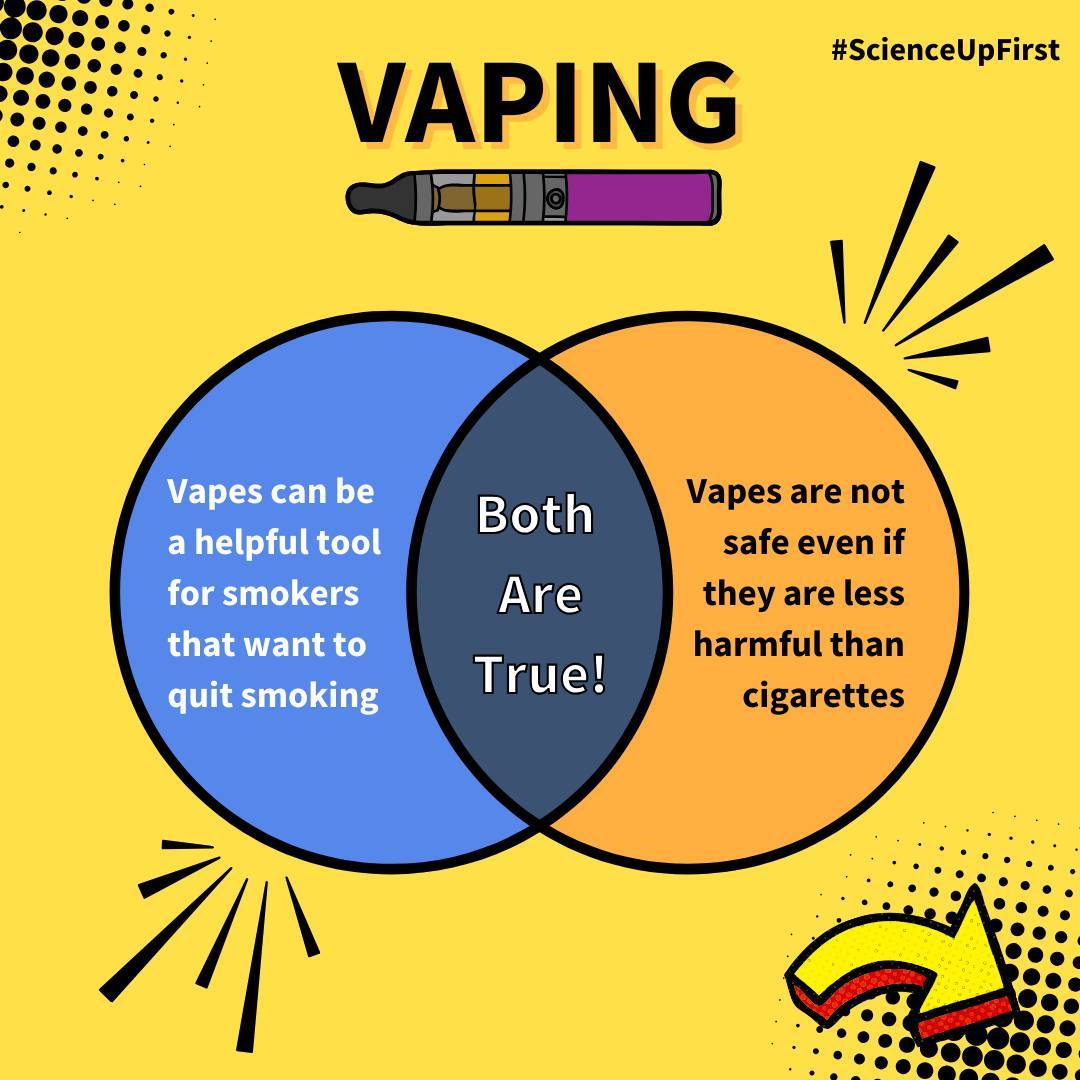
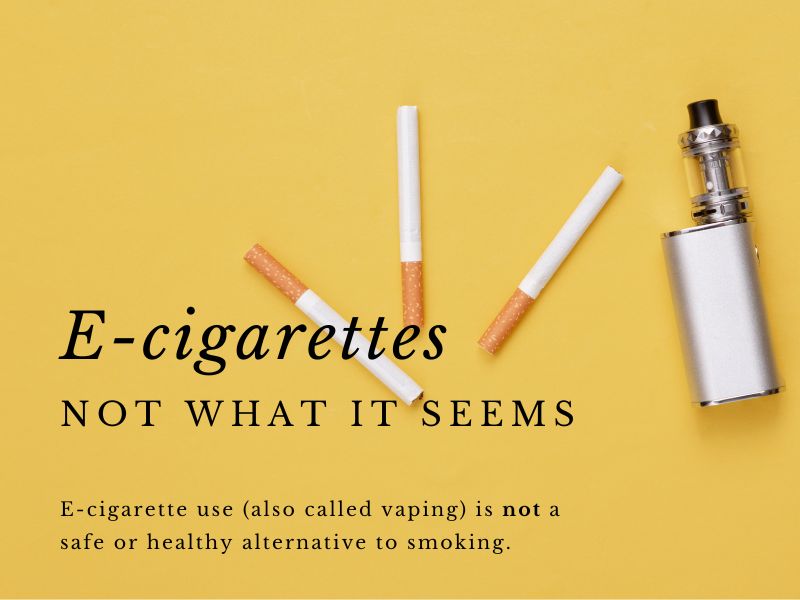
It makes no sense we continue to allow this, but its there because of money and politics. And no: contrary to some Gen Z sentiment, cigarettes are not better for you than vaping because at least tobacco is a natural plant (they also contain around 600 ingredients like tar and formaldehyde, including 69 that are known carcinogens)
Get the right fit using our handy measurement guide
The Gust Pro is USB-C rechargeable (same cable as your phone), sealed so it won't leak at altitude, and at $20 it's low-stakes if customs confiscates it