Examples of Common Combustible and Flammable Materials Some examples of common combustible and flammable materials: Combustible solids: Wood, paper, cloth, plastics, coal, charcoal, leaves, wax, rubber, lubricants, oil-based paint, straw, and cleaning solvents Combustible liquids: Engine oil, diesel, kerosene, linseed oil, benzaldehyde, and dichlorobenzene Flammable materials: ( Flammable liquids include gasoline, ethanol, acetone, natural gas, rubbing alcohol, nail polish remover, hand sanitizer, wart remover), aerosols, mattresses, and dryer lint Examples of Ignition Sources Regarding Combustible and Flammable Materials include: Pilot lights Stoves Welding equipment Blow torches Soldering irons Electric motors Bearings Pulleys Cable breaks Arc welding Lightning Static Electricity Cigarettes Forklift Forks Metal Chain Sparks Fasteners, Screws, and Nails Metal Tools Description of Combustible Dust Testing Parameters Combustible dust testing is typically completed following ASTM E1226: Standard Test Method for Explosibility of Dust Clouds and ASTM E1515: Standard Test Method for Minimum Explosible Concentration of Combustible Dusts or other equivalent international test methods
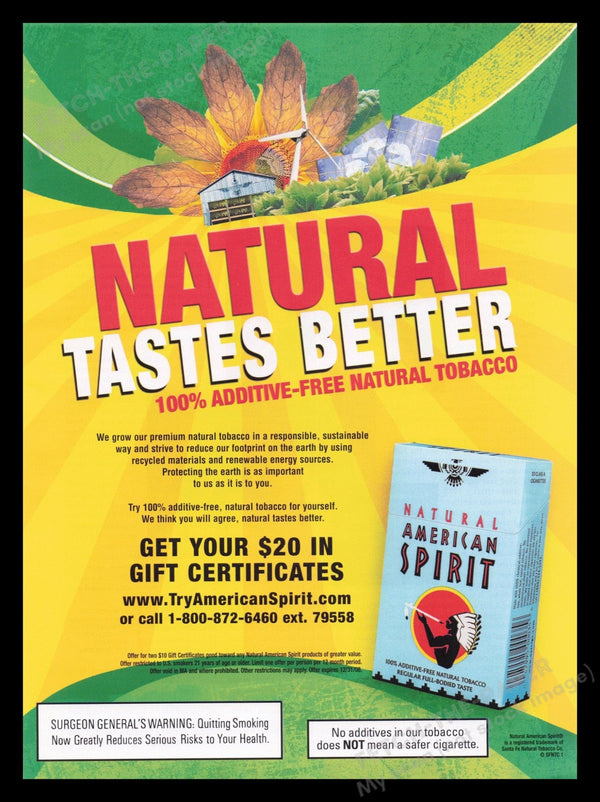
Orange Zig Zags are their most popular, using Natural Flax Plant Fibers and 100% Natural Gum Arabic with a 1 size paper that is easy rolling and slow-burning
smells like if Andrew Tate and Adin Ross had a baby I originally purchased this for myself but it leans more masculine to me and smells amazing on my husband, so its his now
See Supplementary Tables 4 and 7 for study bias characteristics and selected bias covariates, Supplementary Fig
Imagine your favorite bud, stripped down to the good stuff (no plant material)





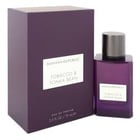
![SOTD [scent of the day]: Banana Republic Tobacco and Tonka Bean! This was recommended to me as a dupe for the TF Tobacco Vanille. Hmm im not sure about that, but the](https://lookaside.instagram.com/seo/google_widget/crawler/?media_id=3783948669570624443)