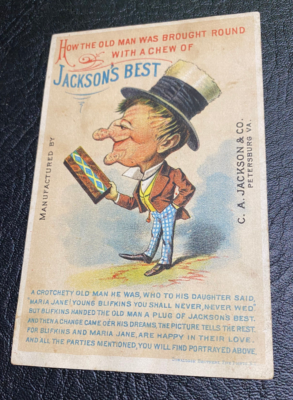
When you look through a window, say you pass a little pub, or an inn
He has boys he is raising, who want to imitate him, who want to be like him, to be him
Retrieved 12 April 2011
Relapse once does not count as a success in quitting smoking

Some of the causes of dry mouth in patients with cancer include: Immunotherapy (pembrolizumab (Keytruda), nivolumab (Opdivo), durvalumab (Imzinfi), atezolizumab (Tecentriq), etc.) Some chemotherapy agents Antihistamines (fexofenadine (Allegra), cetirizine (Zyrtec), loratadine (Claritin), diphenhydramine (Benadryl), etc.) Opioids (oxycodone (Roxicodone, Percocet), morphine (MSIR, MSContin, fentanyl (Duragesic), hydromorphone (Dilaudid), etc.) Diuretics (furosemide (Lasix), bumetanide (Bumex), torsemide (Demadex), hydrochlorothiazide (HCTZ), etc.) Medications with anticholinergic properties (meclizine (Antivert), scopolamine (Transderm Scop), hydroxyzine (Atarax, Vistaril), promethazine (Phenergan) Some antidepressants Mouth infection from fungus (candidiasis) or other microorganism Excessive salt intake Autoimmune disorders, such as scleroderma and Sjgrens syndrome Dehydration Damage to the salivary gland from surgery or radiation therapy to the head and neck area Graft-versus-host disease (side effect of bone marrow transplant) How to prevent Dry Mouth It is important to care for your mouth during cancer treatment to prevent dry mouth











![iPhone Car Charger Fast Charging, [Apple MFi Certified] 60W Dual USB-C Power Cigarette Lighter Car Charger+Type-C Cable&Lightning Cable for iPhone 16 15 14 13 12 Pro Plus XS XR iPad, Samsung](https://m.media-amazon.com/images/I/61qlXNvKG2L.jpg)