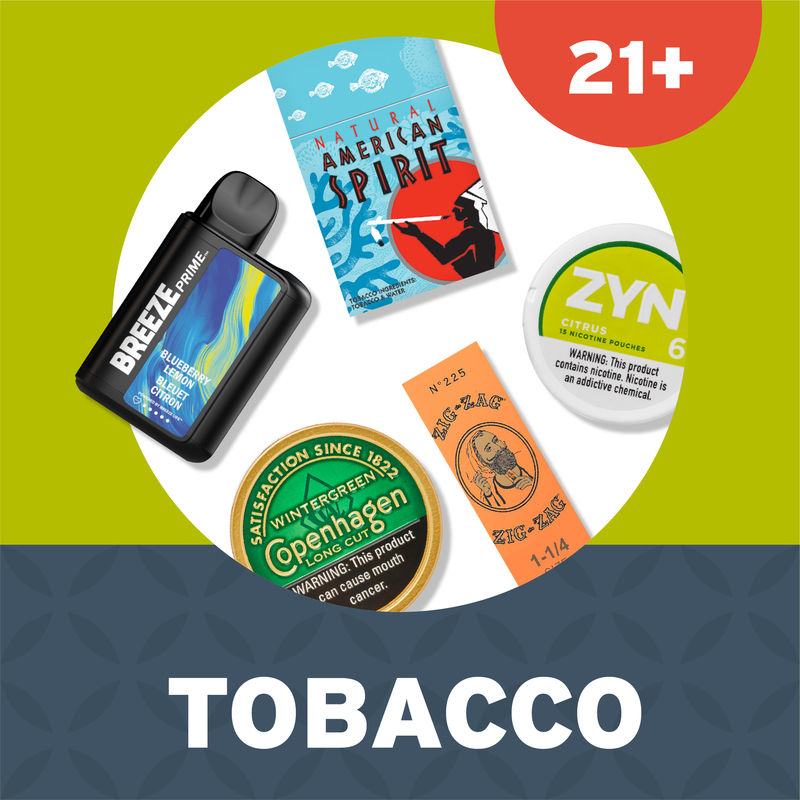
in contrast, the potent amount of nicotine in e-cigarettes liquids may be toxic if it is accidentally ingested or absorbed via the skin.[13] The health effects of nicotine in infants and children are unclear.[131] E-cigarettes provide nicotine to the blood quicker than nicotine inhalers.[38] The levels were above that of nicotine replacement product users.[13] E-cigarettes seem to have a pharmacokinetic nicotine profile closer to nicotine replacement products than with traditional cigarettes.[133] How efficiently different e-cigarettes give nicotine is unclear.[13] Serum cotinine levels are comparable to that of traditional cigarettes,[134] but are inharmonious and rely upon the user and the device.[135] Blood nicotine levels raised more gradually and took more time to get to peak concentration with e-cigarettes than with traditional cigarettes.[136] Vaping was found to have comparable levels of nicotine urinary metabolites to those who were tobacco and smokeless tobacco product users.[46] Though, the oxidative nicotine metabolites were less in those who were vaping.[46] Evidence indicates that some vaping products may deliver the same amount of nicotine as traditional cigarettes.[44] There is fair evidence that chance and degree of dependence are less for e-cigarettes than traditional cigarettes, according to a 2018 National Academies of Sciences, Engineering, and Medicine report.[137] It not clear the level of addictiveness of e-cigarettes, compared with traditional cigarettes, according to a 2018 PHE report.[138] The report also stated "nicotine addictiveness depends on a number of factors including presence of other chemicals, speed of delivery, pH, rate of absorption, the dose, and other aspects of the nicotine delivery system, environment and behaviour."[139] Users vaping without using nicotine exhibited symptoms of dependence, according to a 2015 study.[140] E-cigarette packages and advertisements require health warnings under US law, stating "WARNING: This product contains nicotine

When More Doctors Smoked Camels Medical Claims in Cigarette Advertisements, 1888-1988 When More Doctors Smoked CamelsAn Exhibit on Cigarette Advertising, 1888-1988 Article by Margaret Irwin in the newsletter of the Houston Academy of Medicine/ Texas Medical Center Library January 1989 Exhibition Key for When More Doctors Smoked Camels: Medical Claims in Cigarette Advertisements, 1888-1988 (6 pages) Houston Academy of Medicine/Texas Medical Center Library November 1988-March 1989 When more doctors smoked Camels: Anti-smoking group looks at early cigaret ads (3 pages) Review by Steve Carroll American Medical News (published by the American Medical Association) June 23/30, 1989 Reviews of the updated version of the exhibition at the Reynolds Historical Library, University of Alabama at Birmingham, 2001 (4 pages) Cigarette ad exhibit tracks health claims, endorsements Review by Dave Parks The Birmingham News December 7, 2001 Ads laud When more doctors smoked Camels Review by Bob Shepard UAB Reporter (University of Alabama at Birmingham) December 17, 2001 Smokings stained history on show: Exhibit recaps a century of cigarette ads where even doctors indulged Review by Linda Long The Huntsville Times January 29, 2002 When More doctors smoked Camels: Cigarette advertising in the New York State Journal of Medicine (7 pages) Article by Alan Blum, MD

College of Europe
The suggested dosage of cloves depends on the form through which they are ingested: Whole Cloves: A couple of cloves daily would suffice for medicinal purposes
market, but disposable e-cigarettes are still available