Black smokers, by a wide margin
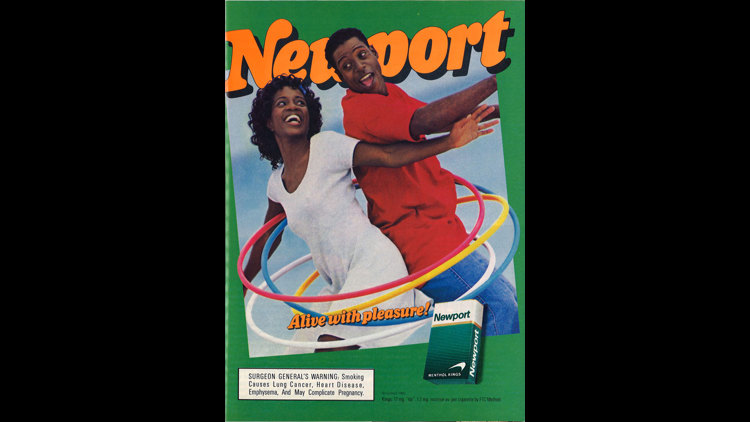
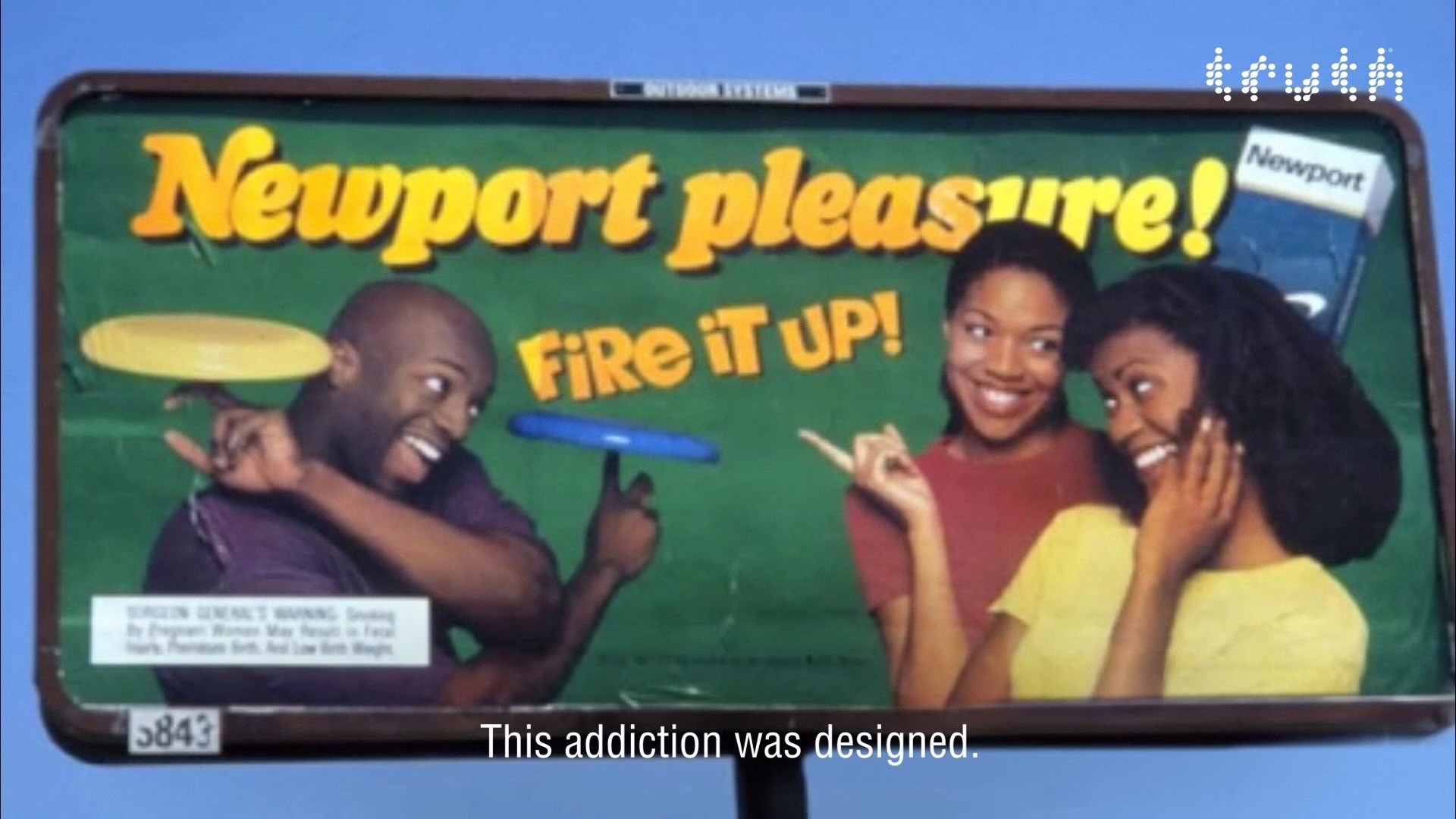
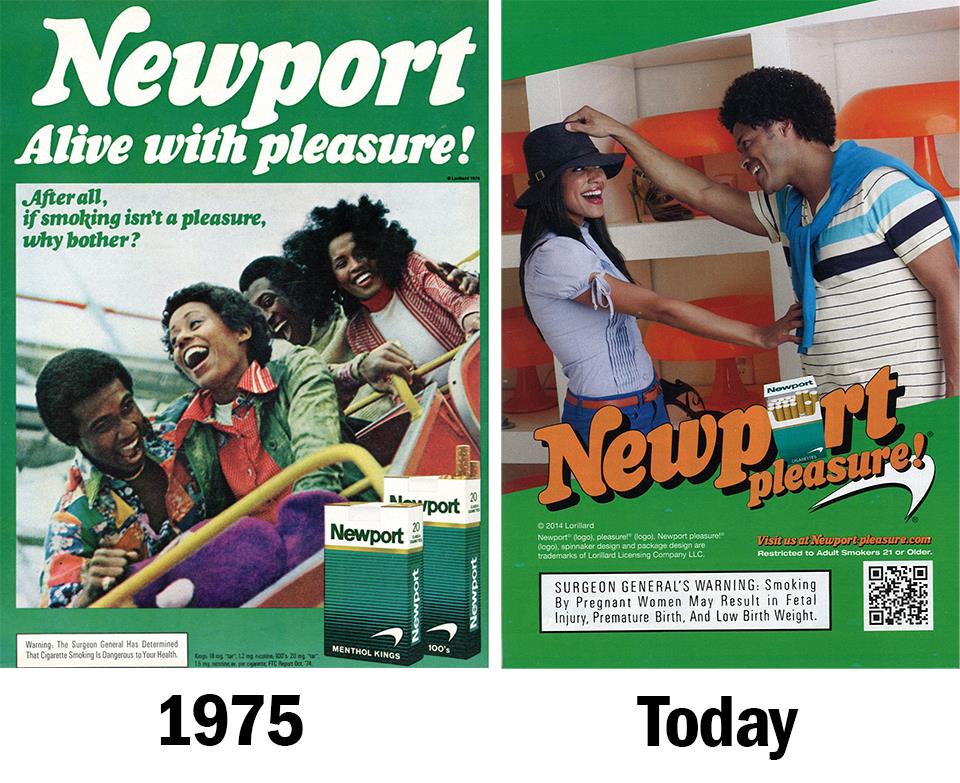
And then, maybe like three months later, after that one ethnic field trip, there'd be an ad targeted specifically to that population." Phillip Gardiner, public health activist and co-chair of the African American Tobacco Control Leadership Council, wrote in his 2002 study "The African Americanization of menthol cigarette use in the United States" -- which Mondy refers to often in his research -- that tobacco companies saw the distinct traits of the black community, philanthropy included, and adjusted their marketing accordingly to build the community's trust: "Because the industry was based in the South, and the majority of black people lived and worked in the South, even as many migrated to urban centers, it was to the advantage of the tobacco industry to develop a strategic relationship with the African-American community
Plus, ceramic filter tips are made with a ceramic screen built right in to block flower particles and resin from getting through
Intended for adults 21+.
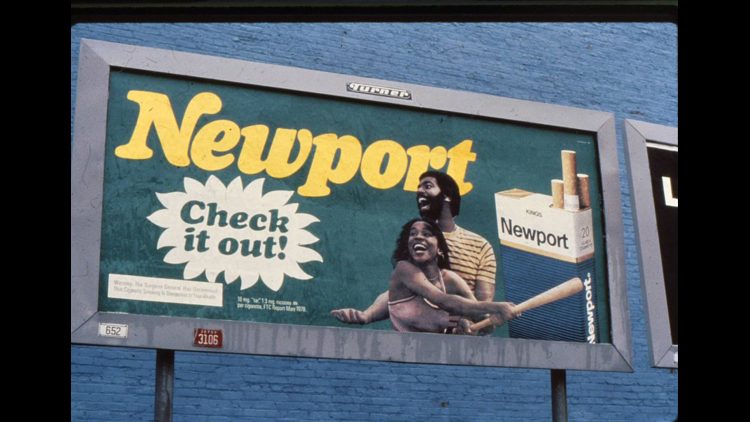
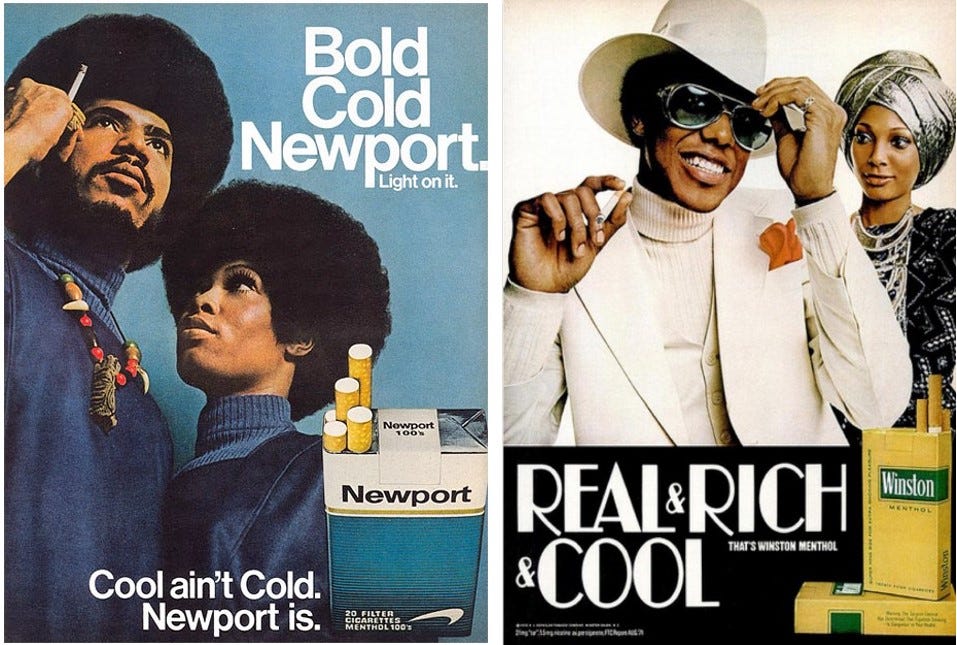
They really started going really hard on 'hey, smoke this, its healthier, fresh breath, minty,' those kind of buzz words that would make people feel like its healthier than a regular cigarette." In addition to the language used in advertisements, these tobacco companies would buy a disproportionate amount of ad space in black publications like Ebony, Jet and Essence in comparison to mainstream magazines like Life, Vanity Fair and Elle




:max_bytes(150000):strip_icc()/guidelines-for-high-cholesterol-and-diabetes-697813-color1b-99ed648078d74592ac667c8533065003.jpg)