Make sure you put the filter end into your mouth
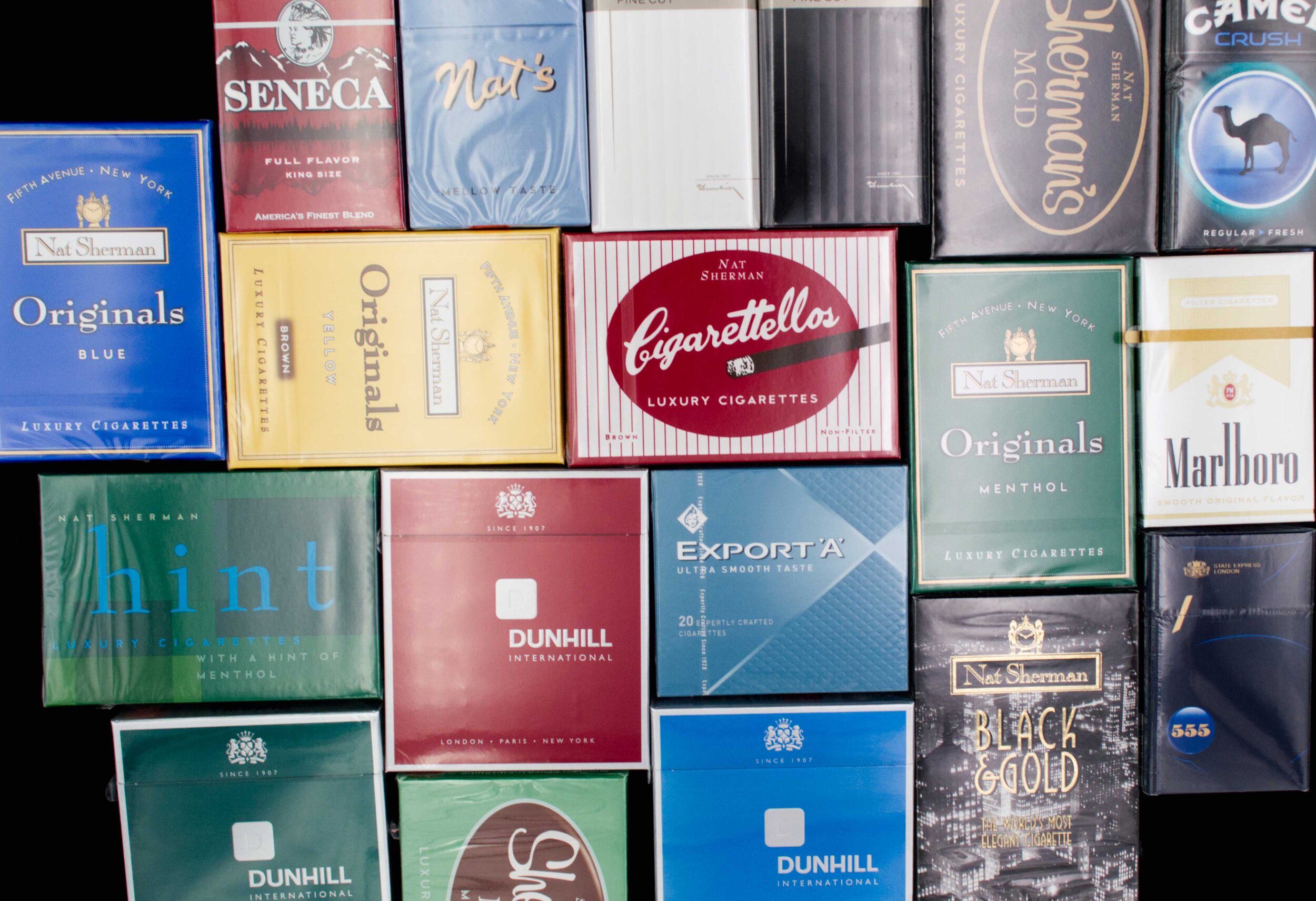
Other peer-reviewed studies provide support for these findings.[3] A 2018 study in Public Finance Review examined littered packs of cigarettes across 132 communities in 38 states, finding that 21 percent of packs did not have proper local stamps.[4] As noted by LaFaive and Nesbit, primary authors of the Mackinac Center study, smuggling comes in different forms: casual smuggling, where smaller quantities of cigarettes are purchased in one area and then transported for personal consumption, and commercial smuggling, which is large-scale criminal activity that can involve counterfeit state tax stamps, counterfeit versions of legitimate brands, hijacked trucks, or officials turning a blind eye.[5] The Mackinac Center has cited numerous examples over the many editions of this report, including stories of a Maryland police officer running illicit cigarettes while on duty, a Virginia man hiring a contract killer over a cigarette smuggling dispute, and prison guards caught smuggling cigarettes into prisons

Yes, herbal or nicotine-free cigarettes can serve as a bridge toward quitting, but the most effective method remains medical support combined with behavioral therapy
Yes, I chose to work at Twin River, I accept that, but that doesnt mean we dont have room to grow, adapt, and do better
Keysendal and her team found that study participants using smokeless tobacco products had a 19% higher chance of developing SIDD and 13% for SIRD




:max_bytes(150000):strip_icc()/remove-cigarette-stains-and-odors-2147070_V2-a8a3fe70a4434af589f90fb87082e925.png)